


Have you ever wondered how hairstyles have changed over the decades? From wild curls to sleek bobs, the world of hairstyles has undergone a fascinating evolution. In today's post, we'll reveal how this came about and what changes it has brought about over the generations.
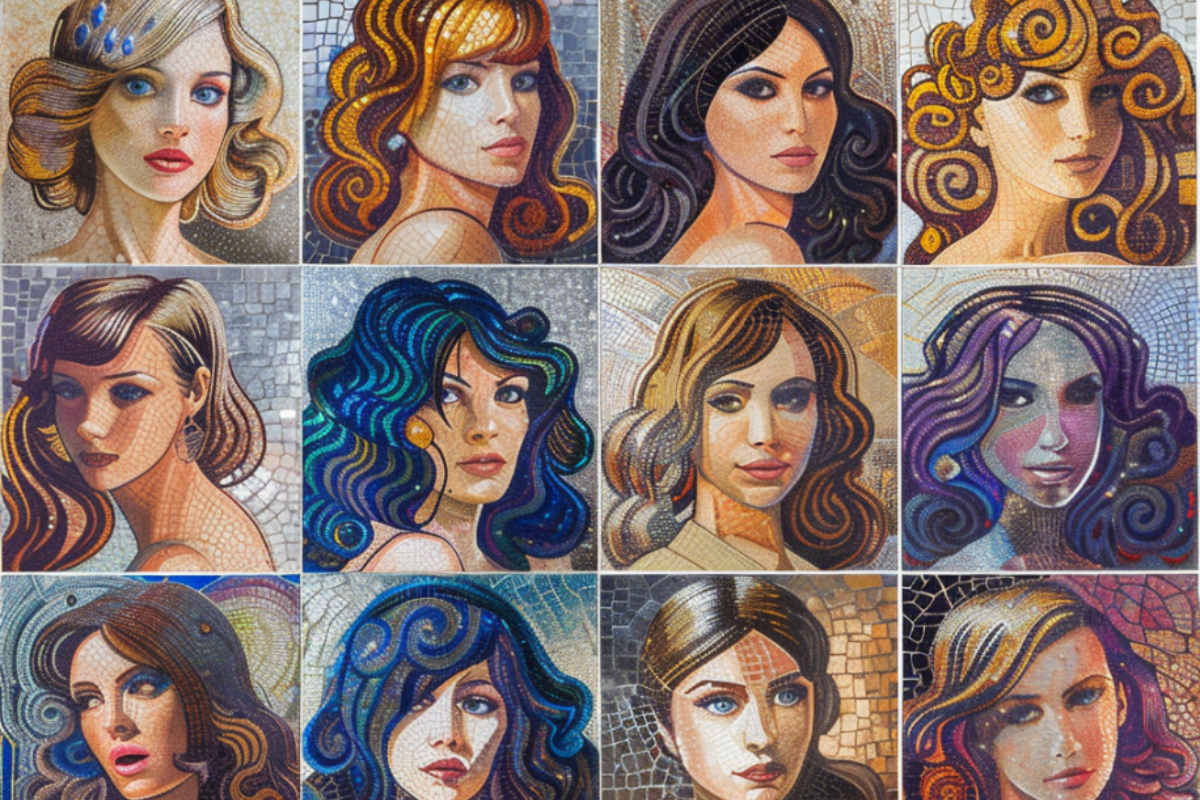
Hairstyle trends through the ages - what has stayed the same, what has gone?
The world of hairstyles has changed dramatically over time, but some trends have endured remarkably well. Classics like the bob or the pixie cut are timeless and have remained popular choices throughout the decades. On the other hand, there are also trends that have disappeared and had little chance of ever returning. Just think of the infamous flakes of the '80s or the extreme emo hairstyles of the 2000s.
No matter what changes the world of hairstyles undergoes, what remains is the constant search for individuality and expression through hairstyles. Whether short, long, curly, or straight, your hairstyle is a part of your personality and often reflects what's currently popular in society.
Hairstyle trends of the 1920s
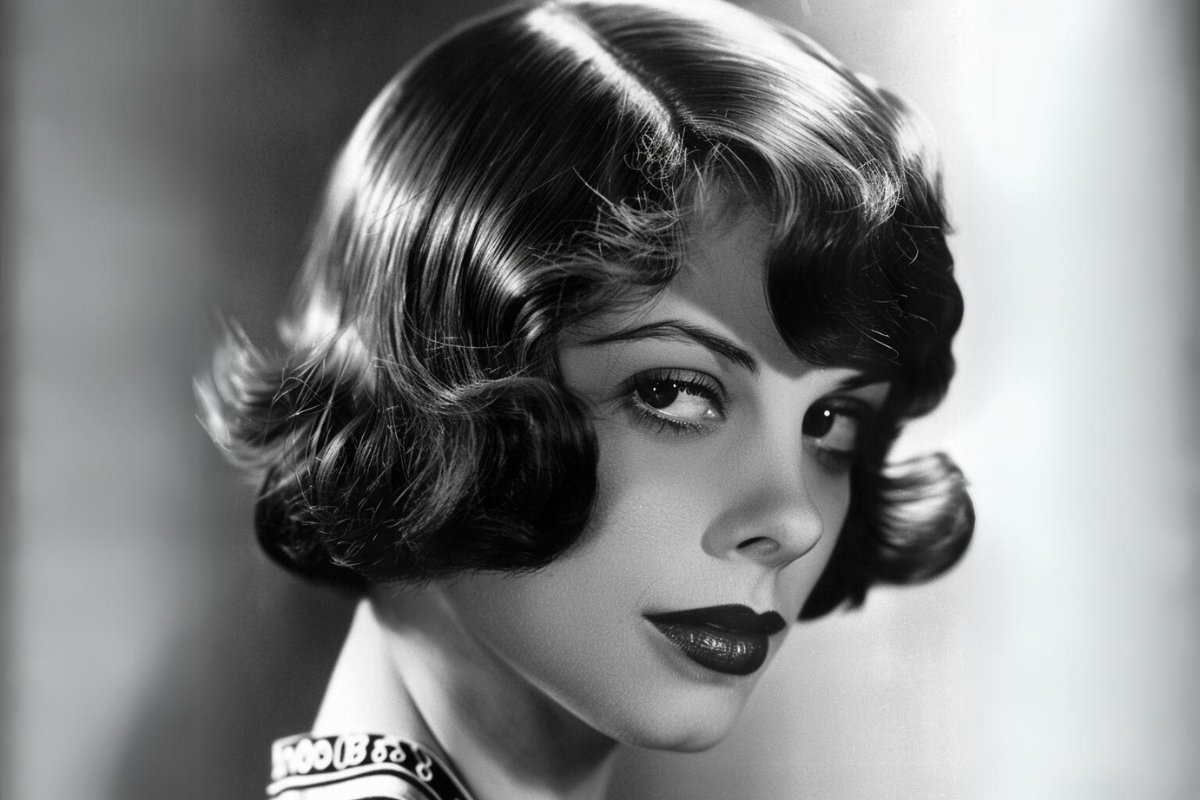
The 1920s were a time of upheaval and emancipation, and this was reflected in hairstyle trends. One of the most striking hairstyles of this era was the bob. This short, sassy hairstyle was loved by women all over the world and symbolized women's newfound independence after the First World War.
One prominent figure who popularized the bob was the legendary dancer and icon of the 1920s, Josephine Baker. With her short, curly bob and unconventional style, she embodied the spirit of this exciting era.
Another popular hairstyle of the 1920s was the "finger wave." These elegant, wavy curls, tightly wrapped around the head, gave women a glamorous and sensual look that perfectly matched the wild parties and flair of the Roaring Twenties.
The 1920s also saw the courage to wear short hair, which remains a popular trend to this day. This era was a time of change and renewal, and these hairstyles were an expression of new freedom and style.
Hairstyle trends of the 1930s
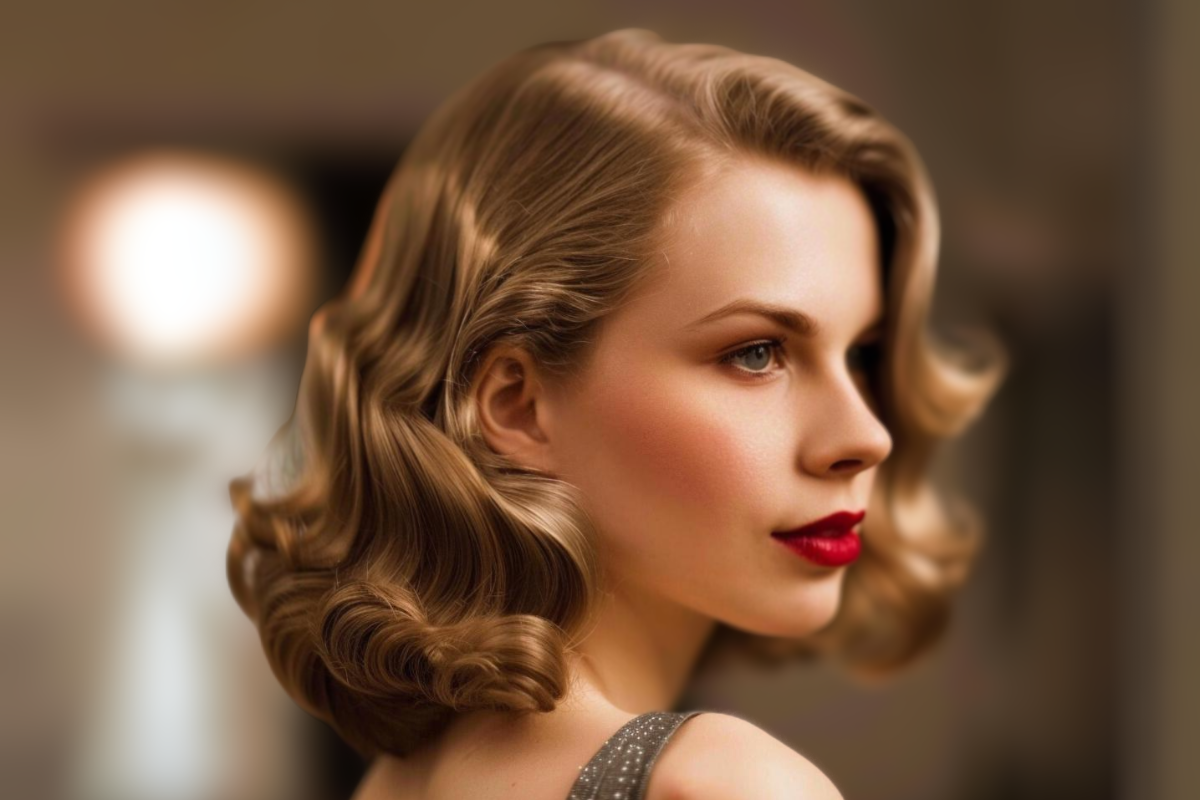
The 1930s were characterized by economic challenges and political instability, which was also reflected in hairstyle trends. One of the most famous hairstyles of this era was the "glamour wave" or "Hollywood wave." This elegant hairstyle with deep waves and a side parting was popularized by film stars such as Marlene Dietrich and Greta Garbo and embodied the flair and elegance of this era.
Another popular hairstyle of the 1930s was the "Gibson Girl" look. Inspired by the illustrations of artist Charles Dana Gibson, this hairstyle featured a high, loose bun at the back of the head and soft, wavy strands around the face. This romantic and girlish hairstyle was a popular style for formal occasions and was imitated by women all over the world.
Hairstyle trends of the 40s
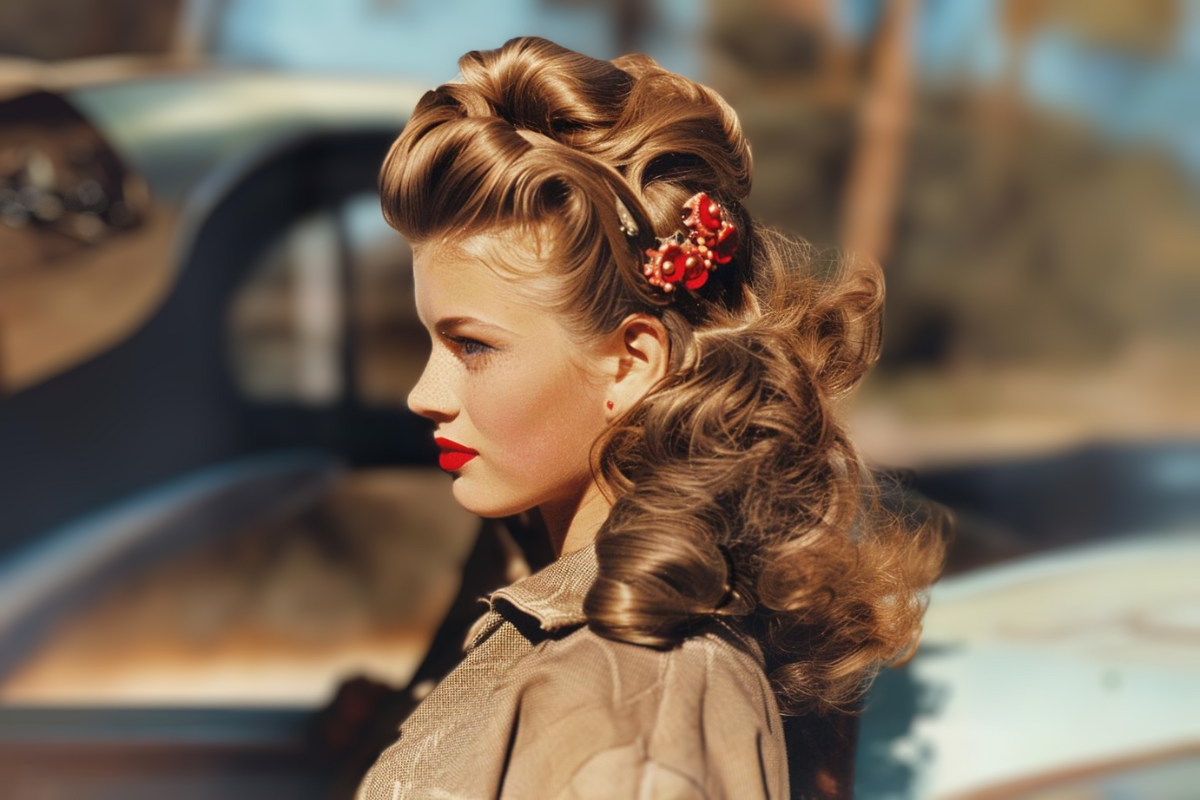
The 1940s were marked by war and deprivation, which was also reflected in the hairstyle trends of the time. One of the most iconic hairstyles of the 1940s was the "Victory Roll." This hairstyle, in which the hair was styled into large, roll-like curls on the sides of the head, symbolized patriotism and solidarity during World War II. Women often wore their hair in Victory Rolls to show their support for the troops and to convey a sense of hope and optimism.
Another popular hairstyle of the 1940s was the "Rosie the Riveter" look. Inspired by the famous propaganda icon Rosie the Riveter, women wore their hair in practical and low-maintenance styles that allowed them to work in factories and contribute to war production. Short, wavy hair with a bandana or turban was typical of this style and embodied the spirit of independence and perseverance.
Hairstyle trends of the 50s
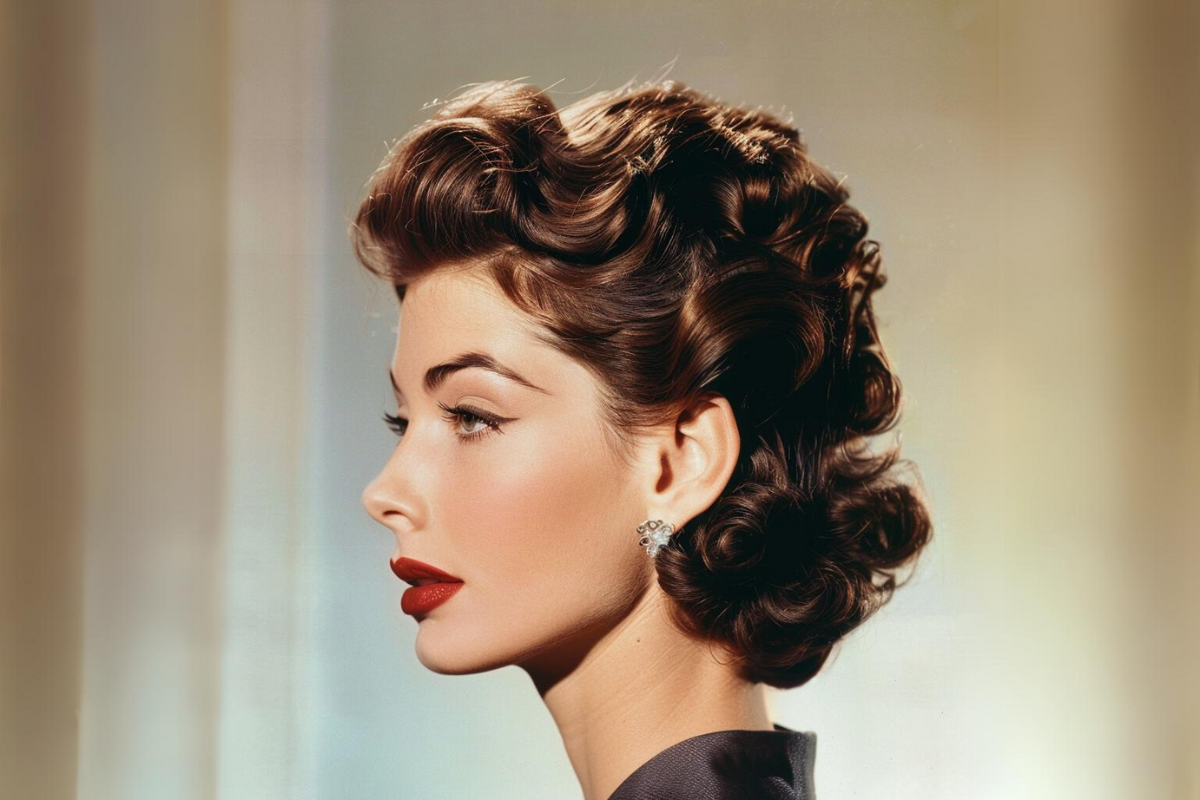
The 1950s were characterized by prosperity and a strong focus on family values, which was also reflected in the hairstyle trends of the time. One of the most famous hairstyles of the 1950s was the "poodle cut." This hairstyle, in which the hair was worn close to the head and styled in a loose, round bun at the back, was a popular style for women of all ages and symbolized the perfect, well-groomed look of the time.
Another popular hairstyle of the 1950s was the "beehive." This towering hairstyle, created by stacking and styling hair into a large, voluminous updo, was a symbol of glamour and femininity and was popularized by icons like Audrey Hepburn and Brigitte Bardot.
Hairstyle trends of the 60s
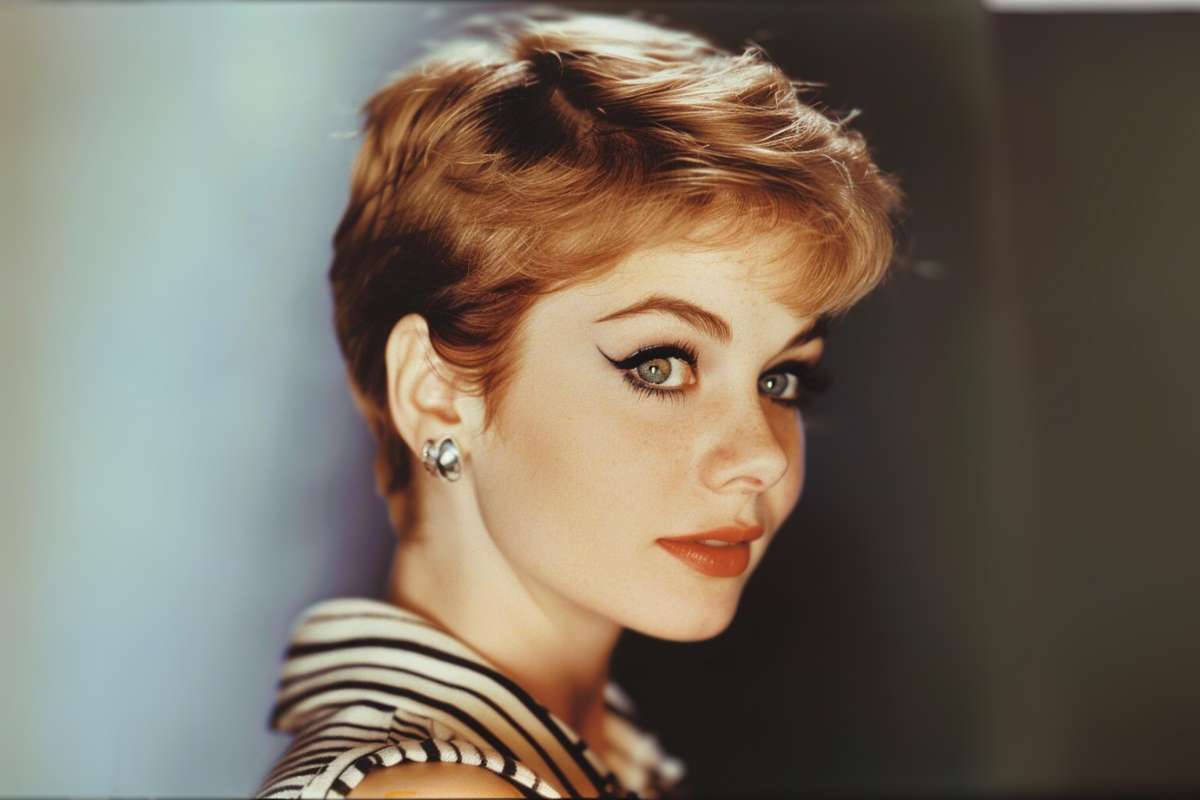
The 1960s were a time of upheaval and rebellion, which was also reflected in hairstyle trends. One of the most distinctive hairstyles of this era was the "bouffant." This voluminous hairstyle, featuring lots of hairspray and styling, was a symbol of 1960s youth culture and was popularized by stars like Jackie Kennedy and Dusty Springfield.
Another popular hairstyle of the 1960s was the pixie cut. This short, sassy hairstyle, which accentuates the face and cuts the hair short at the neck and sides of the head, was a popular style for young women who wanted to distance themselves from traditional society's norms.
Hairstyle trends of the 70s
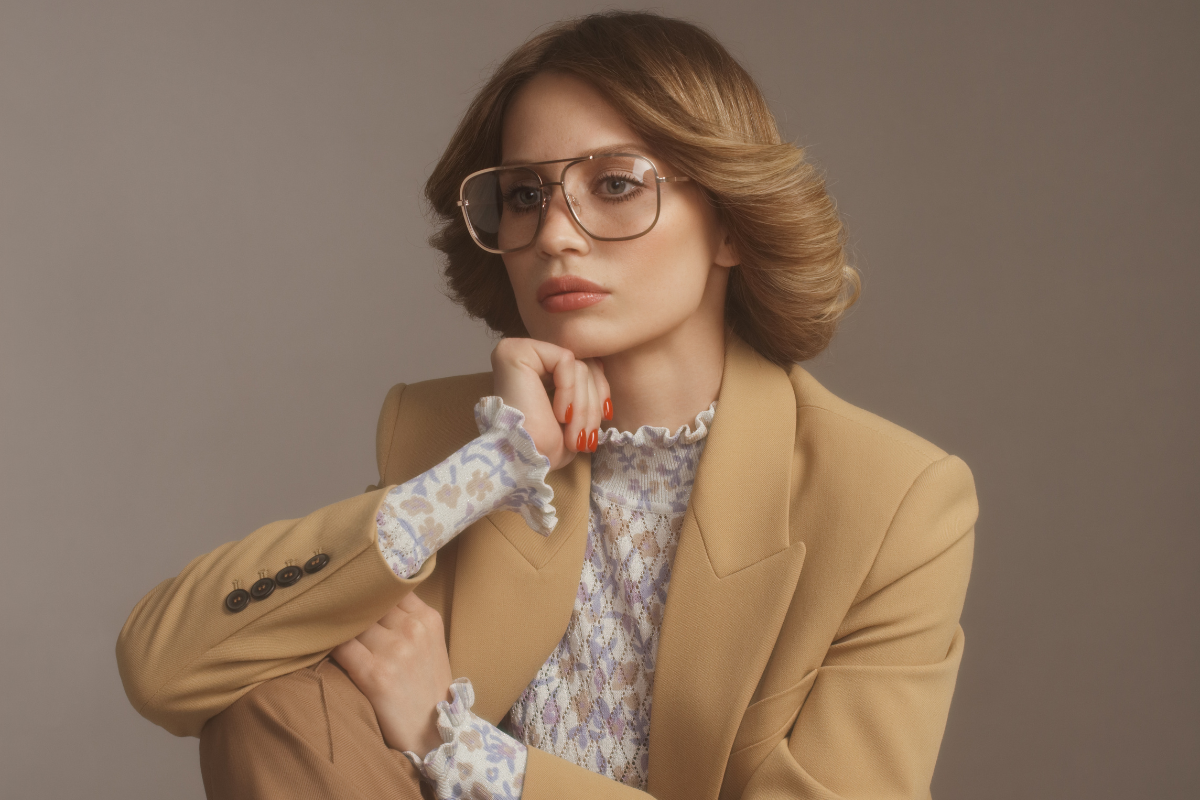
The 1970s were a time of free expression and self-discovery, which was also reflected in the hairstyle trends of the era. One of the most famous hairstyles of the 1970s was the "Afro." This natural and voluminous hairstyle, which emphasized the texture of the hair and was often adorned with accessories such as flowers or ribbons, was a symbol of African-American culture and the struggle for equal rights.
Another popular hairstyle of the 1970s was the "shag." This casual and carefree hairstyle, with long, layered hair and a tousled look, was a popular style for men and women alike and embodied the relaxed lifestyle of the hippie movement.
Hairstyle trends of the 80s
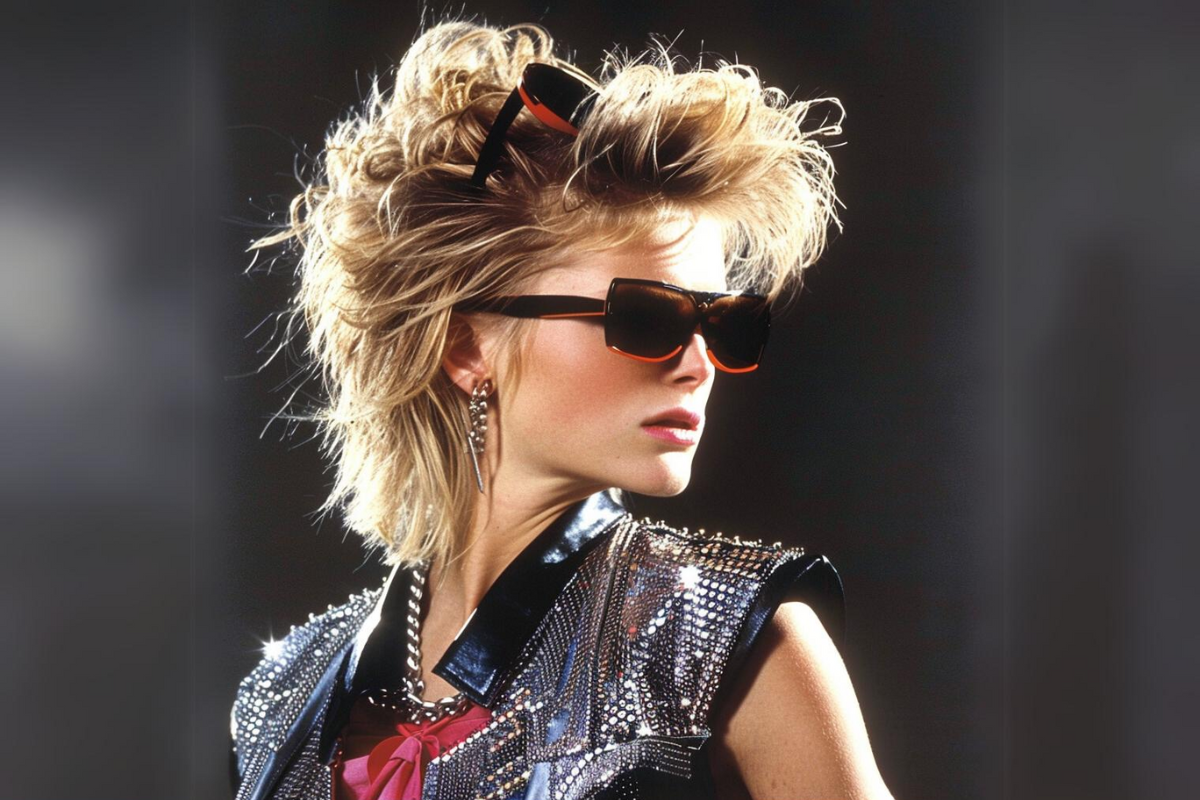
The 1980s were an era of excess and extravagance, which was also reflected in the hairstyle trends of the time. One of the most iconic hairstyles of the 1980s was the "Flock of Seagulls" look. This asymmetrical hairstyle with lots of volume and curly strands was a hallmark of the New Wave movement and was popularized by bands like A Flock of Seagulls.
Another popular hairstyle of the '80s was the "mullet." This hairstyle, which combined short hair in the front and long hair in the back, was a symbol of rebellion and nonconformity and was popularized by stars like Billy Ray Cyrus and David Bowie.
Hairstyle trends of the 90s
The '90s were a time of minimalism and casualness, which was also reflected in the hairstyle trends of the era. One of the most famous hairstyles of the '90s was the "Rachel" cut. This medium-length hairstyle with layers and highlights, popularized by Jennifer Aniston in the hit TV series "Friends," was a symbol of the casual and effortless style of the time.
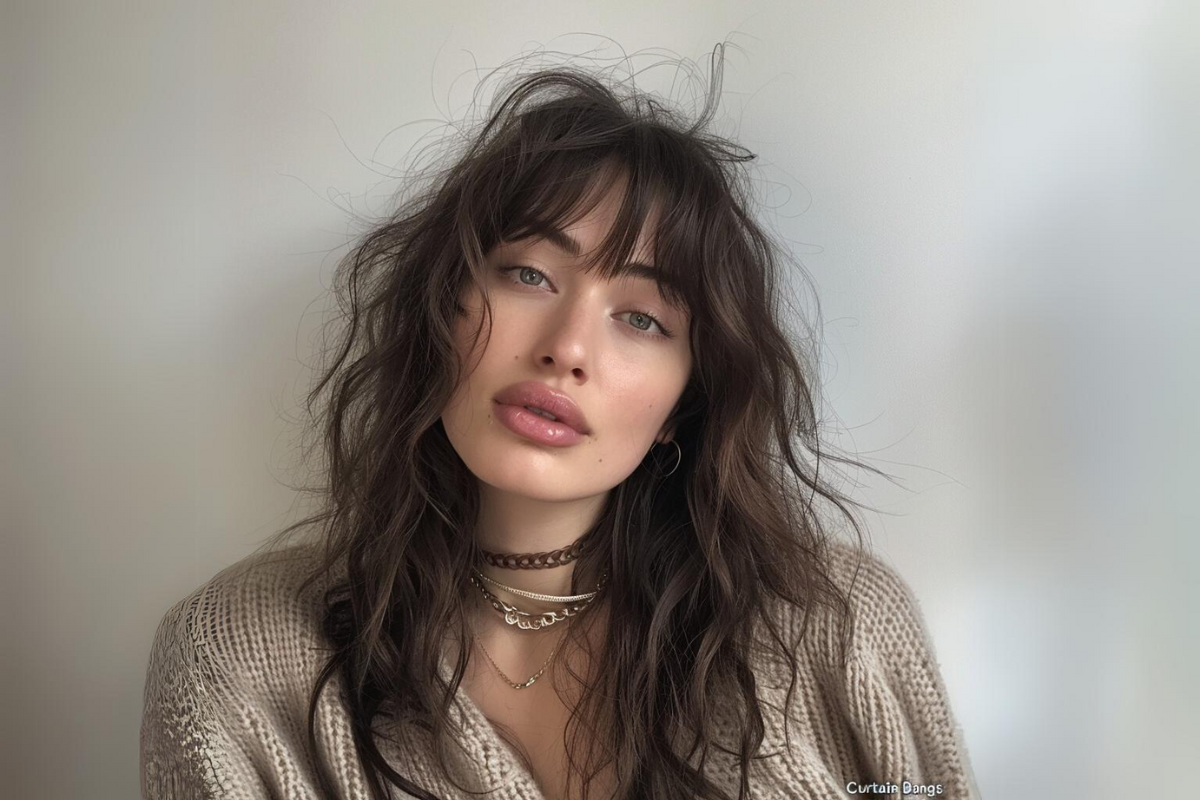
Another popular hairstyle of the '90s was the "curtain bangs" look. These soft, side-swept bangs frame the face. They were a popular style for women and men alike, embodying the relaxed and carefree look of the grunge and alternative scenes.
Hairstyle trends of the 2000s
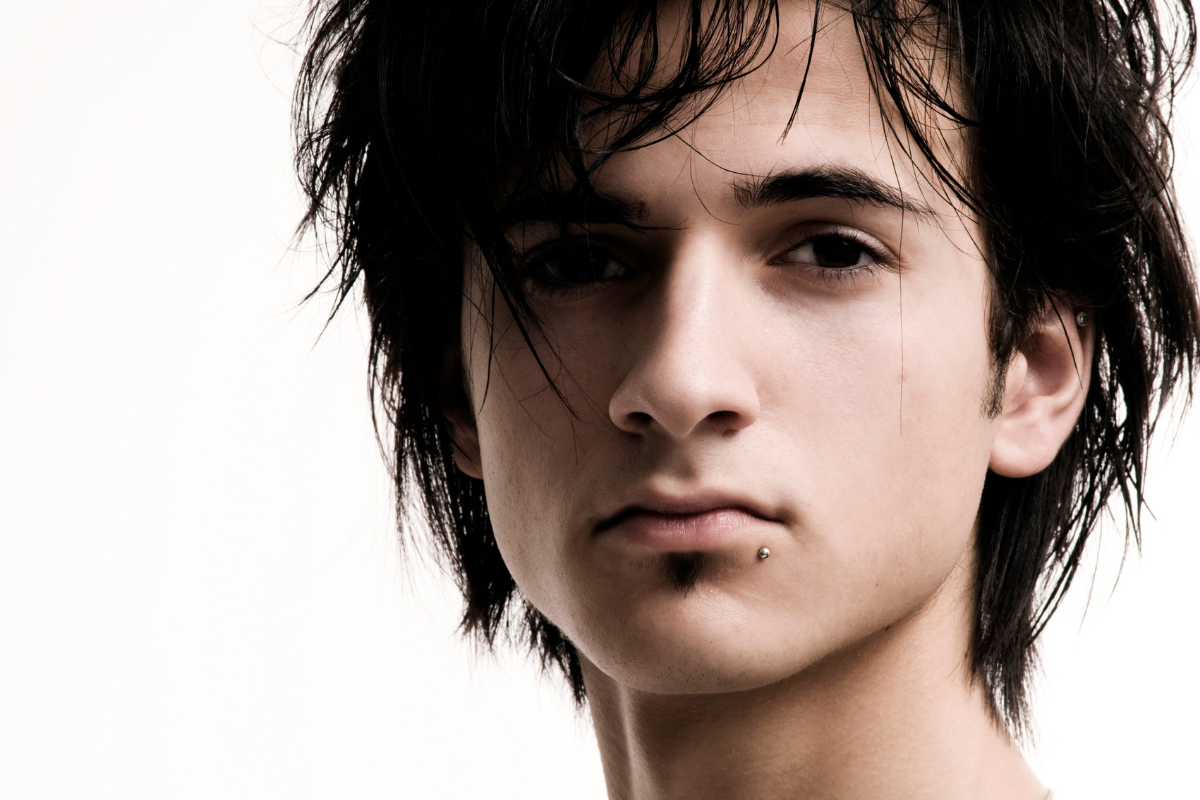
The 2000s were a time of experimentation and diversity, which was also reflected in the hairstyle trends of the era. One of the most famous hairstyles of the 2000s was the "emo cut." This asymmetrical hairstyle with long, side-swept bangs and dark, stringy highlights was a hallmark of the emo movement and was popularized by stars like Pete Wentz of Fall Out Boy.
Another popular hairstyle of the 2000s was the "bedhead look." This casual and carefree hairstyle with tousled, unstyled strands was a popular style for men and women alike, embodying the relaxed and casual lifestyle of the time.
Hairstyle trends today
Today's world is characterized by diversity and individuality, and this is reflected in hairstyle trends. In an era where self-expression and personality are highly valued, there is a wealth of styles and trends to choose from.
One trend that's particularly popular today is the "natural hair" look. More and more people are choosing to embrace their natural hair texture and wear their curls, waves, or kinky hair in its natural form. This trend represents self-acceptance and authenticity and encourages people to wear their hair as it naturally is.
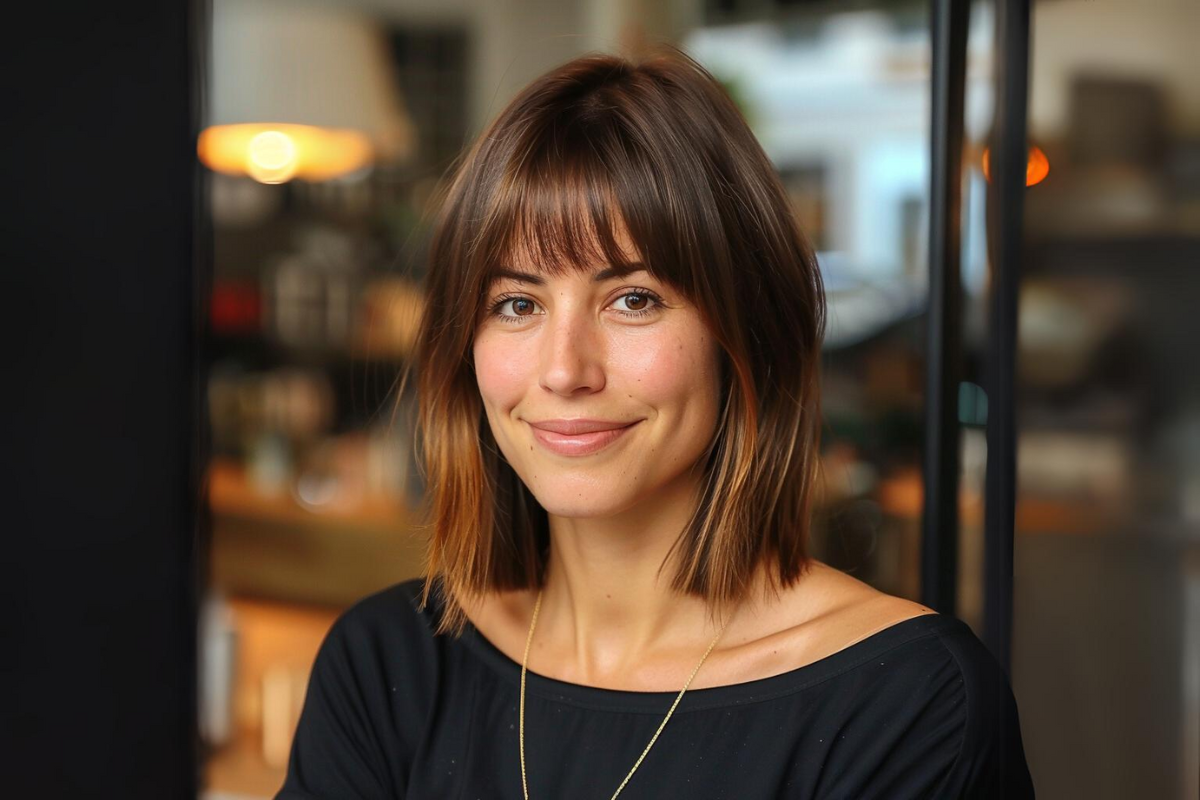
Another popular trend these days is the "blunt cut," also known as the "straight cut." This hairstyle, in which the hair is cut in a straight line, without layers or blends, creates a clean and modern look. The blunt cut is versatile and can be worn with different hair lengths and textures, making it a popular choice for many.
Alongside these trends, there's also a revival of retro styles that are being reinterpreted with a modern twist. For example, the shaggy bob and pixie cut are back in fashion, but with a contemporary update that gives them a fresh and contemporary look.
Overall, the world of hairstyles is more diverse than ever before. Whether you opt for a natural look, prefer a clean and straight cut, or opt for a retro style with a modern twist, the most important thing is that you feel comfortable in your hairstyle and that it expresses your personality.
Hairstyle fails of the last few years
While there are many hairstyle trends that have gained popularity over time, there have also been some that can be considered downright failures. In recent years, some hairstyle trends have emerged that have caused more head-shaking than admiration.
One example of a hairstyle flop in recent years was the "Barbie Pink" color. While colorful hair colors were becoming increasingly popular, Barbie Pink proved to be particularly daring and difficult to wear. Many who chose this color often found it difficult to maintain and faded quickly, leading to undesirable results.
Another example of a hairstyle flop in recent years is the "rat tail." This hairstyle, in which a thin strip of hair is left long at the back of the head while the rest is cut short, was considered unsightly and impractical by some. Although briefly popular in the 1980s, the rat tail has often been viewed as unfashionable and unkempt in recent years.
Overall, the history of hairstyles shows that trends come and go, and not all experiments are successful. Sometimes it's better to stick to timeless classics and not follow every trend that pops up on the runways or social media. Ultimately, choosing a hairstyle is about feeling comfortable and confident, regardless of what's considered trendy at the time.
Conclusion
The world of hairstyles is a fascinating journey through time, shaped by trends, traditions, and individual expression. From the wild curls of the 1920s to the sleek looks of today, the hairstyle landscape has constantly changed and evolved, with some trends enduring over the decades, while others come and go.
What we can learn from this journey through the decades is that fashion is fleeting, but style is timeless. Whether we're inspired by trends of the past or rocking the latest styles of today, the most important thing is that our hairstyle reflects our individual style and personality.
So dare to experiment, whether it's with a classic bob, a bold pixie cut, or a trendy retro hairstyle. At the end of the day, it's about feeling comfortable and confident and celebrating your own beauty, no matter what style you wear.
There are no rules in the world of hairstyles—there are only ways to express yourself and discover yourself anew every day. So find your signature hairstyle, wear it with pride, and let your hair speak for you!



0 comments